Many buyers ask this question early:
Should I choose single girder or double girder?
At first glance, the answer seems simple.
Single girder costs less.
Double girder is stronger.
But in real projects, the decision is not that simple.
Start from how the crane will be used
Before comparing structures, think about usage.
- How often will the crane run
- How heavy is the load in daily work
- Is the operation critical to production
If the crane is used occasionally, a single girder is usually enough.
If the crane runs frequently or supports production, a double girder is often the safer choice.
Capacity is not the only factor
Many people decide like this:
Below 20 tons → single girder
Above 20 tons → double girder
This is common, but not always correct.
A 15-ton crane with high frequency may still need a double girder.
A 25-ton crane with light usage may still work with a single girder.
What matters is not just capacity, but how the crane works every day.
Lifting height often decides the structure
This point is often ignored.
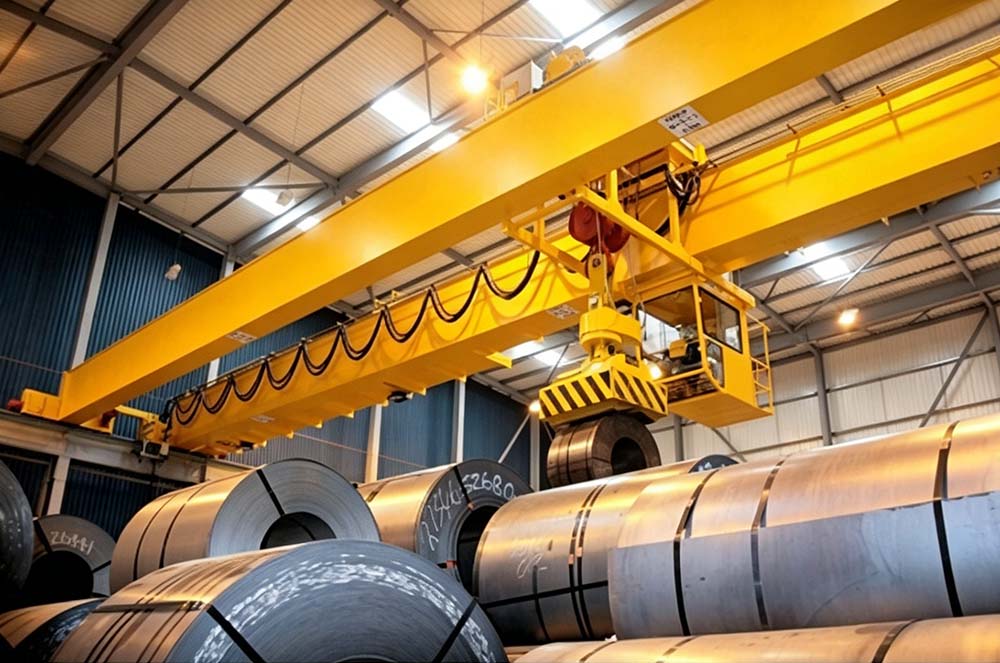
Double girder cranes usually provide more lifting height.
Single girder cranes lose some height because of the hoist position.
If your project has limited space but needs higher lifting height,
double girder is usually the better choice.
Stability and operation feel different
This is something operators notice quickly.
Double girder cranes:
- More stable
- Less sway
- Better for precise positioning
Single girder cranes:
- Lighter
- Simpler
- Good for basic lifting tasks
If your operation requires accuracy or handles heavy components, stability matters.
Cost is not just the purchase price
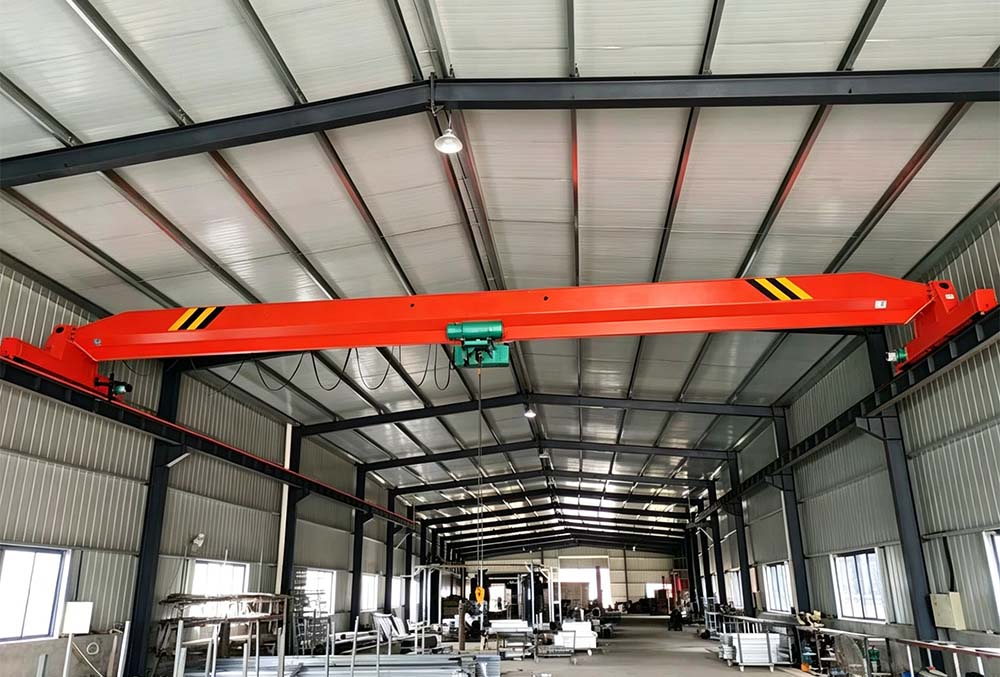
Single girder cranes are cheaper at the beginning.
That is true.
But you also need to think about:
- Maintenance
- Wear and tear
- Future upgrades
In some projects, a double girder crane costs more upfront but performs better over time.
Choosing only based on price can lead to higher long-term cost.
Installation and building requirements
Single girder cranes:
- Lighter load on the building
- Easier installation
Double girder cranes:
- Heavier structure
- Higher requirement for runway beams
If your building is already fixed, this can affect your choice.
Final Thoughts
There is no universal answer.
Single girder is not “better” or “worse”.
Double girder is not always necessary.
The right choice depends on:
- Usage frequency
- Lifting requirements
- Space conditions
- Long-term operation
In many real projects, the wrong choice is not obvious at the beginning.
It becomes clear after months of use.
That is why structure selection should be based on how the crane will actually work, not just initial cost.
Contact Our Engineering Team
Related Posts
Single Girder vs Double Girder Crane: Which One Should You Choose?
Many buyers ask this question early: Should I choose single girder or double girder? At first glance, the answer seems simple. Single girder costs less.Double girder is stronger. But in real projects, the decision is not that simple. Related Questions 1 Start from how the crane will be used 2 Capacity is not the only factor 3 Lifting height often decides the structure 4 Stability and operation feel different 5 Cost is not just the purchase price 6 Installation and building requirements 7 Final Thoughts 8 Contact Our Engineering Team 9 Related Posts Start from how the crane will be used Before comparing structures, think about usage. How often will the crane run How heavy is the load in daily work Is the operation critical to production If the crane is used occasionally, a single girder is usually enough. If the crane runs frequently or supports production, a double girder is often the safer choice. Capacity is not the only factor Many people decide like this: Below 20 tons → single girderAbove 20 tons → double girder This is common, but not always correct. A 15-ton crane with high frequency may still need a double girder.A 25-ton crane with light usage may still work with a single girder. What matters is not just capacity, but how the crane works every day. Custom Solution Lifting height often decides the structure This point is often ignored. Double girder cranes usually provide more lifting height. Single girder cranes lose some height because of the hoist position. If your project has limited space but needs higher lifting height,double girder is usually the better choice. Stability and operation feel different This is something operators notice quickly. Double girder cranes: More stable Less sway Better for precise positioning Single girder cranes: Lighter Simpler Good for basic lifting tasks If your operation requires accuracy or handles heavy components, stability matters. Custom Solution Cost is not just the purchase price Single girder cranes are cheaper at the beginning. That is true. But you also need to think about: Maintenance Wear and tear Future upgrades In some projects, a double girder crane costs more upfront but performs better over time. Choosing only based on price can lead to higher long-term cost. Installation and building requirements Single girder cranes: Lighter load on the building Easier installation Double girder cranes: Heavier structure Higher requirement for runway beams If your building is already fixed, this can affect your choice. Final Thoughts There is no universal answer. Single girder is not “better” or “worse”.Double girder is not always necessary. The right choice depends on: Usage frequency Lifting requirements Space conditions Long-term operation In many real projects, the wrong choice is not obvious at the beginning.It becomes clear after months of use. That is why structure selection should be based on how the crane will actually work, not just initial cost. Contact Our Engineering Team Related Posts