
Why Are Crane Prices So Different?
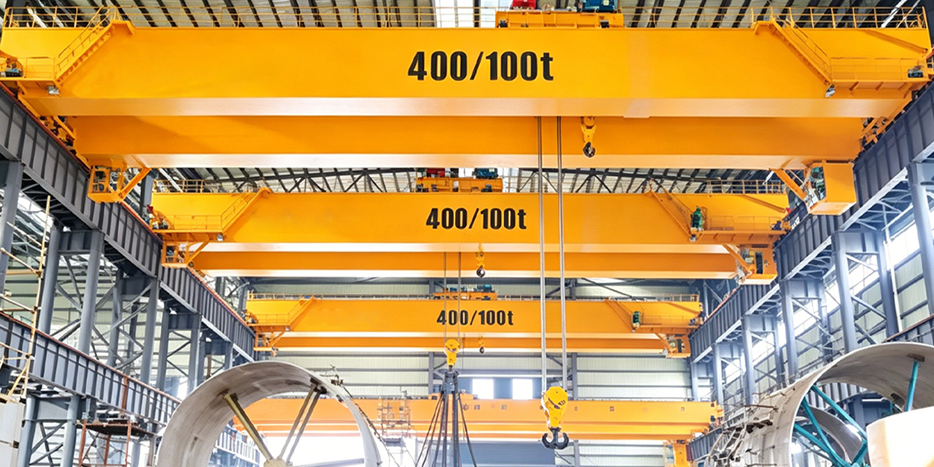
One thing I notice quite often is that buyers compare crane quotations by looking at the final price first. It’s understandable. If one supplier quotes $35,000 and another quotes $48,000, the difference is impossible to miss. But before deciding that one supplier is simply too expensive, I’d ask a different question: Are they actually quoting the same thing? A 20-ton overhead crane sounds like a very specific product. It isn’t. The 20-ton capacity tells you how much the crane can lift. It doesn’t tell you how often it will work, what it will handle, or what kind of working conditions it will face. And those things matter. A crane working a few hours a day in a general workshop doesn’t necessarily need the same design as a crane running continuously in a production plant. The lifting capacity may be identical. The requirements are not. This is one of the main reasons two suppliers can receive the same inquiry and still come back with different prices. They may be making different assumptions about the job. One supplier may be focusing on keeping the initial investment down. Another may be allowing for heavier working conditions or longer operating hours. Neither approach is automatically wrong. The important question is whether the assumption matches your factory. More expensive doesn’t always mean better This is something I think buyers should keep in mind. A supplier may recommend a more robust configuration because they expect the crane to work hard every day. If downtime would stop an important production process, spending more on the crane may be perfectly reasonable. But that doesn’t mean every factory needs the most expensive configuration. If a crane only works occasionally, paying for specifications that will rarely be used may not make much sense. You’re not necessarily buying more reliability. You may simply be buying more capacity than you need. That’s why I don’t like the simple rule of: “Choose the more expensive crane because it’s safer.” Good engineering isn’t about making everything bigger. It’s about making the equipment fit the job. Custom Solution The same is true for the cheapest quotation A low quotation isn’t automatically a bad one. Sometimes a supplier has simply found a more economical design that still meets the actual requirements. That’s a good thing. The problem is when the low price comes from a different understanding of the project. Maybe the working frequency was underestimated. Maybe some equipment or services aren’t included. Maybe the supplier assumed conditions that don’t actually exist in your factory. This is why, when I see a large price difference, I wouldn’t immediately ask: “Why are you more expensive?” I’d ask: “What’s different between your proposal and the other one?” Then I’d ask: “What assumptions did you make when designing this crane?” Those questions usually tell you much more than the price itself. Don’t compare every number too quickly This is another mistake that’s easy to make. Buyers often put two quotations side by side and compare motor power, wheel size, travel speed and steel weight. But bigger numbers don’t automatically mean a better crane. I’d rather know why the supplier selected those numbers. Why this motor? Why this duty level? Why this control system? Why this structure? If the supplier can explain the reason clearly, that’s useful. If the answer is simply “because it’s better”, I’d keep asking questions. Custom Solution So how should you look at the price? I’d keep it simple. Before comparing the final numbers, make sure the two quotations are based on the same basic conditions. Then look at what is actually included. After that, ask what each supplier believes the crane will be doing in your factory. Once you understand those things, the price difference becomes much easier to judge. Sometimes you’ll find that the expensive quotation isn’t necessary. Sometimes you’ll find that the cheaper quotation leaves out something important. And sometimes you’ll discover that both suppliers are offering reasonable solutions, just with different priorities. One Last Thought I don’t think the goal of comparing crane quotations is to find the lowest number. It’s to understand what you’re getting for that number. A crane may stay in your factory for twenty years. The price difference you’re looking at today may be forgotten in a few months. What won’t be forgotten is whether the crane actually fits the way your factory works. So before asking which supplier is cheaper, I’d ask a more useful question: Which proposal makes the most sense for the job? Contact Our Engineering Team Related Posts